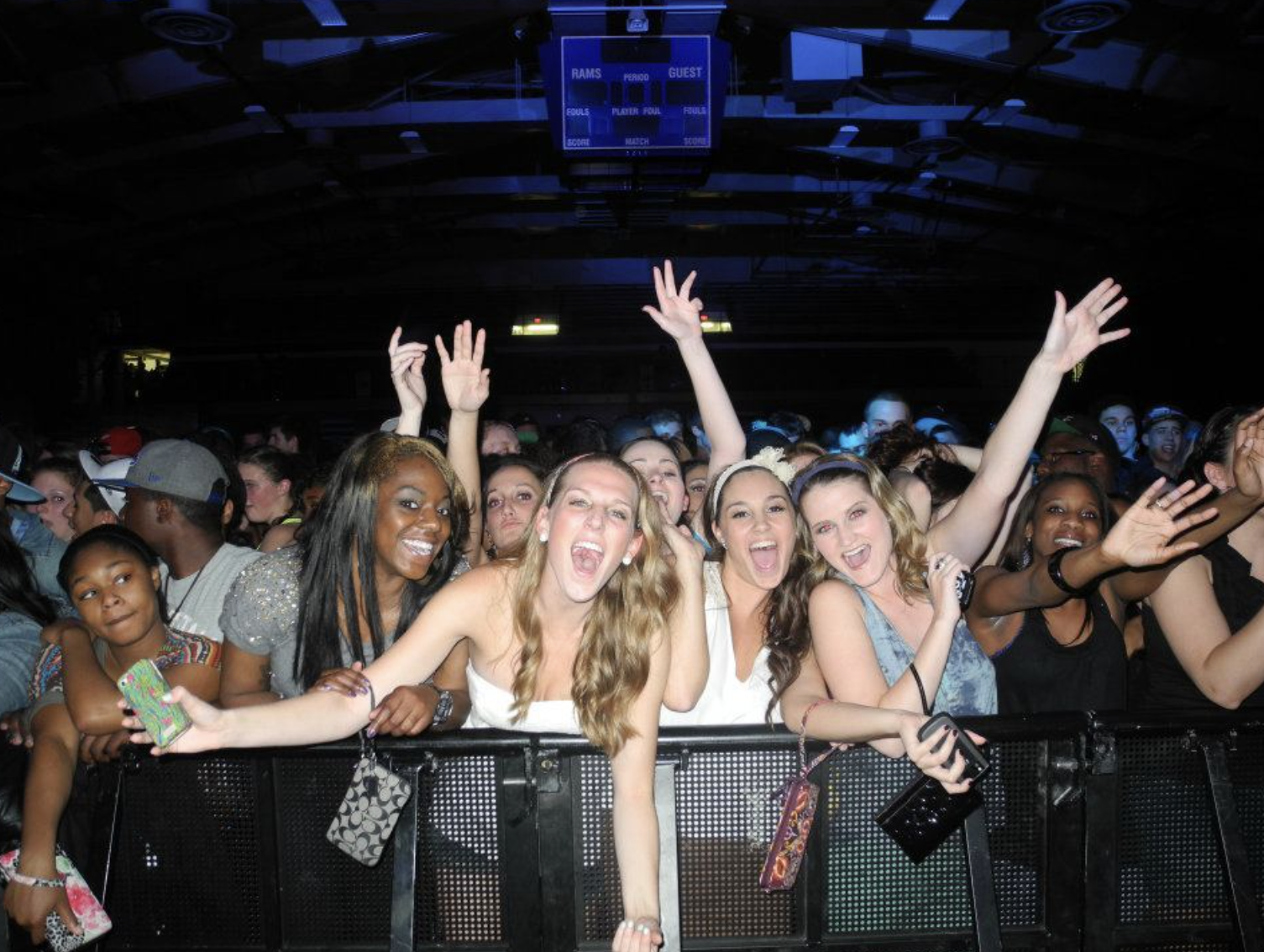
April 15, 2010. Kid Cudi. West Chester University.
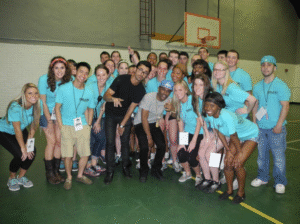
When WCU students returned in Fall 2009, Cudi’s album, Man on the Moon, had wormed its way into their dorms and parties. At the first general meeting for Major Entertainment, the student organization responsible for WCU’s annual spring concert, one student shared with the room, “We’ve got to get Kid Cudi right now.” Cudi’s popularity was rising, but not fast enough for him to be outside of WCU’s price range. A month before the concert, tickets sold out at the SSI Box Office within three hours, and for the first time, students resold $15 tickets on Facebook for $80. For 2,000 WCU students, Cudi performed in Hollinger Fieldhouse, putting on a concert that would echo for years to come.
But, ask any current student, and they won’t know about the annual spring concert, and if they do, they don’t know where it went.
Major Entertainment and the annual WCU spring concert existed from 2000 to 2017. The student organization worked with a middle agent to book an artist within their budget, and then spent the rest of the year dreaming up the promotion and mapping out the logistics for the mid-April date.
Major Entertainment consistently booked indie and rock acts throughout the early aughts. In 2006, the Beatle-resembling band known as The Click Five arrived at WCU after touring their debut album with the Backstreet Boys. 11 years after their chart-dominating album, Third Eye Blind performed what is described by a showgoer as the weirdest concert ever in 2008. The following year, Dashboard Confessional brought their emo coming-of-age catalog to WCU to tease their sixth album.
By the fall of 2009, students wanted to hear something new. Rap had taken over college campuses, and a rise in digital mixtape culture from artists like Wiz Khalifa and J. Cole fueled a grassroots buzz. Major Entertainment decided to hum along with the cultural shift and booked Kid Cudi.
The genre switch continued in 2011, with Major Entertainment bringing in Wiz Khalifa, and in 2012, with Big Sean.

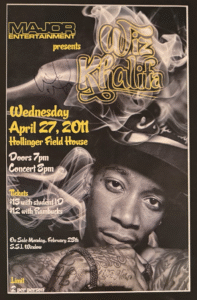
As Major Entertainment adapted to the new cool, undercurrents of public safety concerns and rising costs began to pull the organization closer to its end.
At the 2011 concert, WCU Public Safety allegedly caught Wiz Khalifa’s team smoking weed on school grounds, according to Laura Putnam, 2011 Major Entertainment President. The Khalifa team was asked to leave campus immediately following the show, but the situation brought attention to mounting safety concerns. A 2012 Quad article detailed the Big Sean concert not through the eyes of concertgoers but of Public Safety who made nine underage drinking arrests before the show even started.
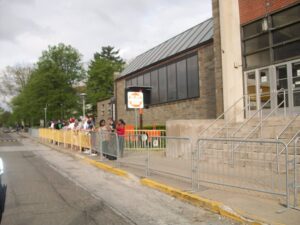
The immediate confidence Major Entertainment felt from booking cheap, yet popular artists like Kid Cudi, Wiz Khalifa, and Big Sean wasn’t there for Chiddy Bang in 2013. The show didn’t sell out.
Major Entertainment returned to rock in 2014, bringing in four acts for the price of one. The show didn’t sell out. The concert went back to rap the following year with frat rap artist Hoodie Allen. The show didn’t sell out again, and this time Allen trashed the dressing room.
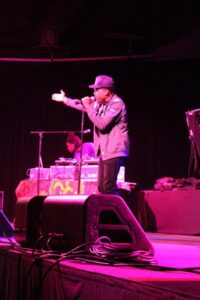
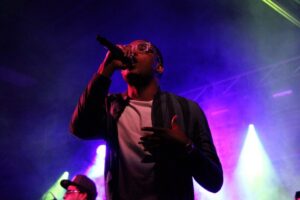
After three years of unsuccessful shows, the Major Entertainment team was excited by the prospect of hosting an outdoor concert. Renovations to Hollinger Fieldhouse would take place in April, forcing the concert to find a new venue. At the same time, Farrell Stadium’s turf was set for replacement that summer. The concert could be hosted on the field without having to take protective measures. Kid Ink, another mixtape rapper with charted albums, was secured for the first-ever outdoor spring concert in 2016. This was it.
Or was it? Less than two weeks before the concert, the university canceled the show. The university hadn’t been notified of the concert’s new location and feared that a loud, explicit concert would jeopardize ongoing negotiations with West Goshen Township, according to McGee. Major Entertainment, unaware of these negotiations and having never previously required senior administrative approval, lost $60,000 by cancelling.
The spring concert returned in 2018, hosting Danish rock band New Politics. Only 800 tickets sold– the smallest turnout recorded.
SAC introduced Ramboree in 2019 as a way to consolidate the many end-of-year events into one blow-out. American Authors performed the night of the inaugural Ramboree after the carnival festivities concluded. Despite being free, the concert again pulled a small crowd.
After COVID cancellations and modified events, Ramboree completely removed the concert element from the event in 2023. SAC redirected the concert’s budget toward enhancing Ramboree. More money meant more rides.
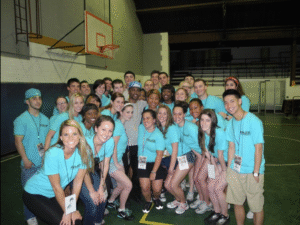
At the end of the 2025 Fall semester, student leaders attending the Student Government Assembly Council of Organizations were asked which performers they’d like to see at WCU.
If there is any chance for WCU to be cool again, solutions to the university’s structural issues must be thought of. WCU is landlocked by neighborhoods, constrained by limited venues, and consumed by uninvolved students.
Until then, Kid Cudi’s 2010 performance remains frozen in time as a reminder of what WCU once was and what it could be again.
Is it WCU football? Then keep it locked on 91.7FM to hear our live coverage of the games, led by Sports Director Shai Gilmore.
We're Back.
91.7 WCUR is stepping away from this platform to fully dedicate our efforts somewhere else. Our journey of connection and engagement here has been incredible, and we’re thankful for your support. Keep an eye on our Instagram and, as always, tune in on http://wcur.org!